Basicsమూలాలుबुनियादी · 8 min readనిమిషాల పఠనంमिनट पढ़ें
What Are Bio Stimulants? A Complete Guide for Indian Farmers
Bio stimulants are not fertilisers and not pesticides. They help the plant make better use of what it already has. Here is the full picture.
బయో స్టిమ్యులెంట్లు అంటే ఏమిటి? భారతీయ రైతులకు పూర్తి గైడ్
బయో స్టిమ్యులెంట్లు ఎరువులు కావు, పురుగుమందులూ కావు. మొక్క తనకున్న వనరులను బాగా వాడుకునేలా సహాయపడతాయి. పూర్తి వివరాలు ఇక్కడ.
बायो स्टिमुलेंट क्या हैं? भारतीय किसानों के लिए पूरी गाइड
बायो स्टिमुलेंट न खाद हैं, न कीटनाशक. ये पौधे को अपने पास मौजूद संसाधनों का बेहतर उपयोग करने में मदद करते हैं. पूरी जानकारी यहां है.
Byరచన:लेखक: Navamitraa Agri Tech · Publishedప్రచురణप्रकाशित · Updatedనవీకరణअपडेट
ఈ వ్యాసం ప్రస్తుతం ఇంగ్లీష్లో మాత్రమే అందుబాటులో ఉంది.
यह लेख फिलहाल केवल अंग्रेज़ी में उपलब्ध है।
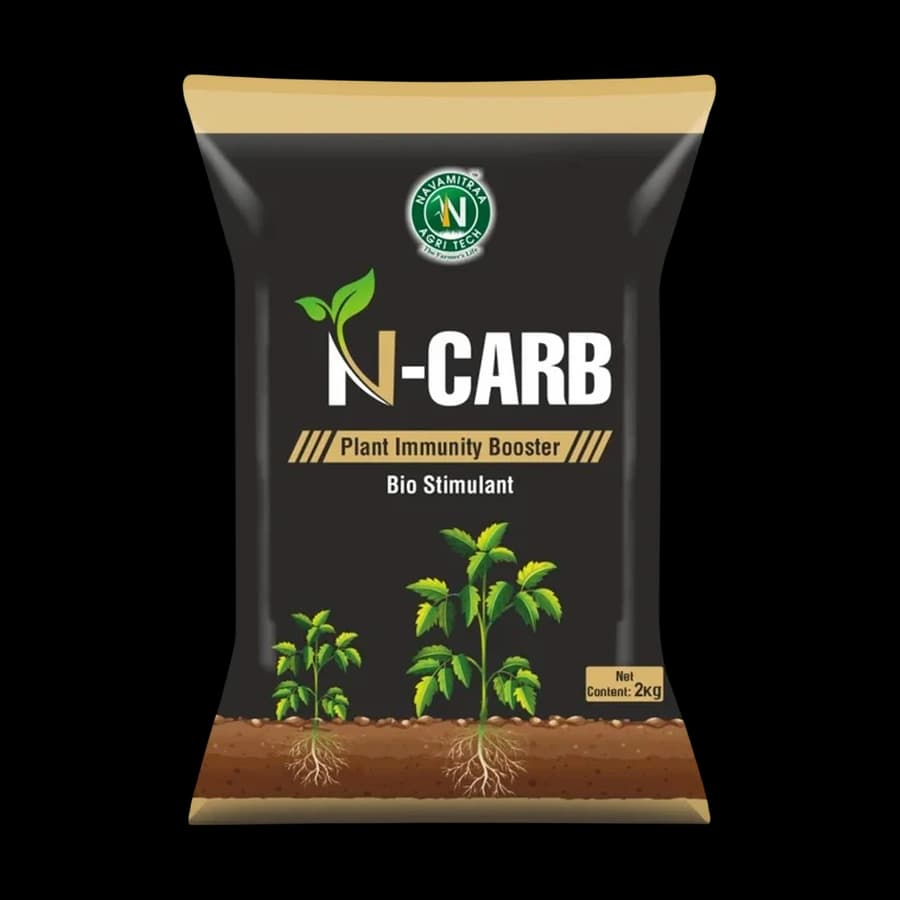
Product used in this guideఈ గైడ్లో ఉపయోగించిన ఉత్పత్తిइस गाइड में उपयोग किया गया उत्पाद
N-Carb
Basics · Navamitraa Agri Tech, Hyderabad, Telangana
Key takeawaysముఖ్యాంశాలుमुख्य बातें
- Bio stimulants help plants handle stress and use nutrients more efficiently.
- They are different from fertilisers (which feed) and pesticides (which control pests).
- Common sources: seaweed extracts, humic and fulvic acids, amino acids and plant extracts.
- Best results come when they are used with a sound nutrient and crop protection plan.
- Choose products with clear labels, dosage and company details.
Bio stimulants in simple words
A bio stimulant is a natural or naturally derived substance that, when applied in small quantities to the plant or soil, stimulates natural processes. These processes include nutrient uptake, root growth, flowering, and tolerance to heat, drought and salinity.
Think of fertiliser as food, and a bio stimulant as a tonic that helps the plant eat, digest and cope better.
Bio stimulant vs fertiliser vs pesticide
Fertiliser
Supplies nutrients such as nitrogen, phosphorus, potash or micronutrients directly.
Pesticide
Targets a pest or disease. A bio stimulant is not a substitute for crop protection.
Bio stimulant
Improves the plant's own performance: stronger roots, better flowering, better stress tolerance and better use of applied nutrients.
Main types of bio stimulants
- Seaweed extracts: rich in natural growth-regulating compounds and minerals, for example N-Carb.
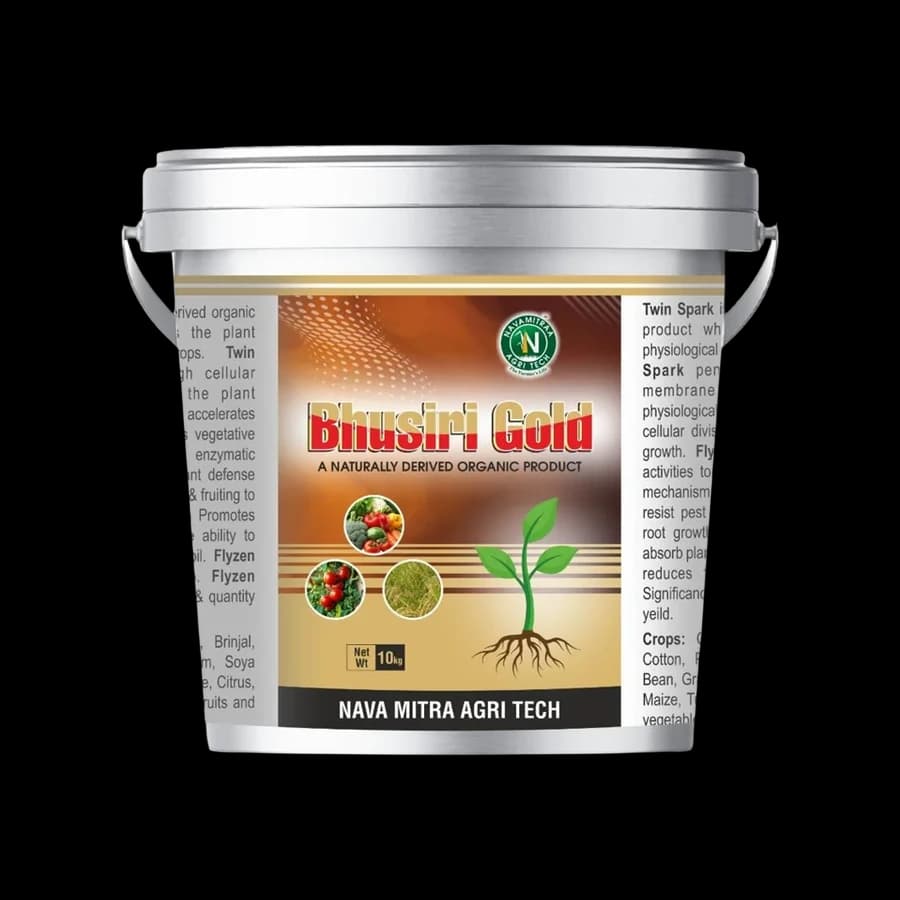
- Humic and fulvic acids: improve soil structure and nutrient availability, for example Bhusiri Gold granules.
- Amino acids and protein hydrolysates: help plants recover from stress.
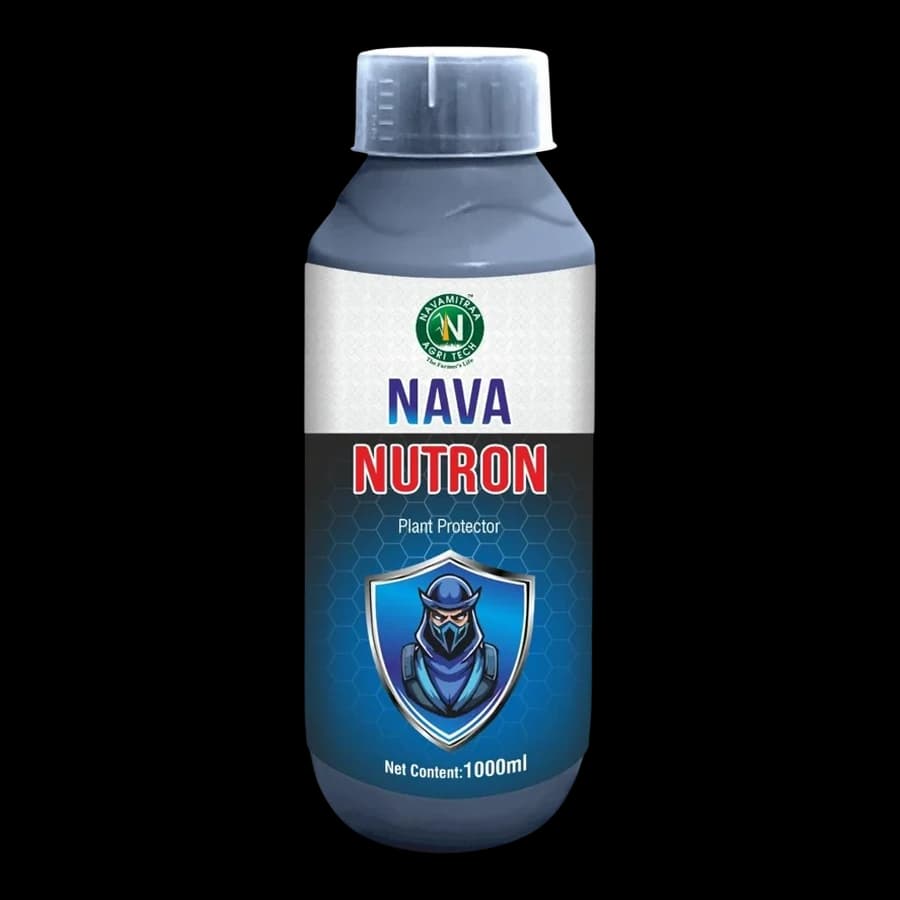
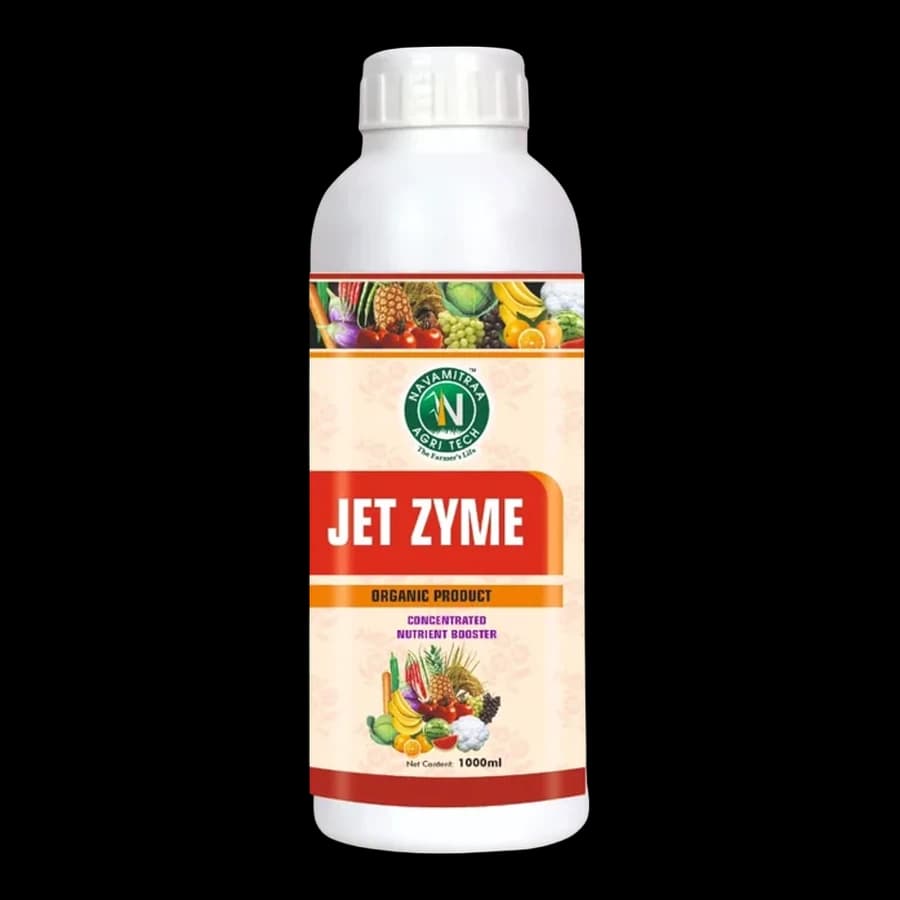
- Plant-based alkaloids and enzymes: used in phytotonic products such as Nava Nutron and Jet Zyme.
- Beneficial microbes: support the root zone and nutrient cycling.
How bio stimulants help the crop
Better root and shoot growth
A strong early root system means better access to water and nutrients, which shows up as a more even, vigorous crop.
More tolerance to stress
Heat, dry spells, salinity and transplanting shock are common. Bio stimulants are widely used to help crops cope with these.
Flowering and fruit quality
Some products are used to support flowering and sugar content in fruit, as described on the N-Carb label.
How to use bio stimulants correctly
Results depend on crop, soil, weather and management. Treat bio stimulants as one part of a complete plan, not a rescue for a poorly managed field.
- Read the label: crop, dose, stage and interval.
- Use clean water and spray in the early morning or evening.
- Do a jar test before mixing with other products.
- Do not exceed the labelled dose; more is not better.
- Keep records of what you applied and how the crop responded.
FAQs: What Are Bio Stimulants? A Complete Guide for Indian Farmers
Are bio stimulants the same as organic fertilisers?
Not exactly. Organic fertilisers mainly supply nutrients from organic sources, whereas bio stimulants act in small quantities to stimulate plant processes such as growth, nutrient uptake and stress tolerance. Some products overlap, but the purpose is different, which is why you should read what the label claims.
Can bio stimulants replace chemical fertilisers completely?
No. Plants still need nitrogen, phosphorus, potash and micronutrients in adequate amounts. Bio stimulants help plants use those nutrients better, and in some systems they allow fertiliser use to be more efficient, but they are not a full replacement.
Are bio stimulants safe for organic farming?
Many are made from natural sources and suit organic systems, but certification rules differ. If you follow a specific organic standard, confirm that the product is acceptable under it before use.
When is the best time to apply a bio stimulant?
Key moments are transplanting or early vegetative growth, just before flowering, and after stress such as heat or drought. Always follow the stage and dose mentioned on the product label for your crop.
Key takeawaysముఖ్యాంశాలుमुख्य बातें
- Bio stimulants help plants handle stress and use nutrients more efficiently.
- They are different from fertilisers (which feed) and pesticides (which control pests).
- Common sources: seaweed extracts, humic and fulvic acids, amino acids and plant extracts.
- Best results come when they are used with a sound nutrient and crop protection plan.
- Choose products with clear labels, dosage and company details.
Bio stimulants in simple words
A bio stimulant is a natural or naturally derived substance that, when applied in small quantities to the plant or soil, stimulates natural processes. These processes include nutrient uptake, root growth, flowering, and tolerance to heat, drought and salinity.
Think of fertiliser as food, and a bio stimulant as a tonic that helps the plant eat, digest and cope better.
Bio stimulant vs fertiliser vs pesticide
Fertiliser
Supplies nutrients such as nitrogen, phosphorus, potash or micronutrients directly.
Pesticide
Targets a pest or disease. A bio stimulant is not a substitute for crop protection.
Bio stimulant
Improves the plant's own performance: stronger roots, better flowering, better stress tolerance and better use of applied nutrients.
Main types of bio stimulants
- Seaweed extracts: rich in natural growth-regulating compounds and minerals, for example N-Carb.
- Humic and fulvic acids: improve soil structure and nutrient availability, for example Bhusiri Gold granules.
- Amino acids and protein hydrolysates: help plants recover from stress.
- Plant-based alkaloids and enzymes: used in phytotonic products such as Nava Nutron and Jet Zyme.
- Beneficial microbes: support the root zone and nutrient cycling.
How bio stimulants help the crop
Better root and shoot growth
A strong early root system means better access to water and nutrients, which shows up as a more even, vigorous crop.
More tolerance to stress
Heat, dry spells, salinity and transplanting shock are common. Bio stimulants are widely used to help crops cope with these.
Flowering and fruit quality
Some products are used to support flowering and sugar content in fruit, as described on the N-Carb label.
How to use bio stimulants correctly
Results depend on crop, soil, weather and management. Treat bio stimulants as one part of a complete plan, not a rescue for a poorly managed field.
- Read the label: crop, dose, stage and interval.
- Use clean water and spray in the early morning or evening.
- Do a jar test before mixing with other products.
- Do not exceed the labelled dose; more is not better.
- Keep records of what you applied and how the crop responded.
Frequently asked questionsతరచుగా అడిగే ప్రశ్నలుअक्सर पूछे जाने वाले प्रश्न
Are bio stimulants the same as organic fertilisers?
Not exactly. Organic fertilisers mainly supply nutrients from organic sources, whereas bio stimulants act in small quantities to stimulate plant processes such as growth, nutrient uptake and stress tolerance. Some products overlap, but the purpose is different, which is why you should read what the label claims.
Can bio stimulants replace chemical fertilisers completely?
No. Plants still need nitrogen, phosphorus, potash and micronutrients in adequate amounts. Bio stimulants help plants use those nutrients better, and in some systems they allow fertiliser use to be more efficient, but they are not a full replacement.
Are bio stimulants safe for organic farming?
Many are made from natural sources and suit organic systems, but certification rules differ. If you follow a specific organic standard, confirm that the product is acceptable under it before use.
When is the best time to apply a bio stimulant?
Key moments are transplanting or early vegetative growth, just before flowering, and after stress such as heat or drought. Always follow the stage and dose mentioned on the product label for your crop.
This article is for general education. Results depend on crop, soil, weather and management. Follow the product label and consult your local agriculture officer or KVK before changing your nutrient plan.ఈ వ్యాసం సాధారణ అవగాహన కోసం మాత్రమే. ఫలితాలు పంట, నేల, వాతావరణం, నిర్వహణపై ఆధారపడతాయి. పోషక ప్రణాళిక మార్చే ముందు ఉత్పత్తి లేబుల్ పాటించండి, స్థానిక వ్యవసాయ అధికారి లేదా KVKని సంప్రదించండి.यह लेख सामान्य जानकारी के लिए है। नतीजे फसल, मिट्टी, मौसम और प्रबंधन पर निर्भर करते हैं। पोषण योजना बदलने से पहले उत्पाद का लेबल देखें और अपने स्थानीय कृषि अधिकारी या KVK से सलाह लें।