Bio Stimulantsబయో స్టిమ్యులెంట్లుबायो स्टिमुलेंट · 6 min readనిమిషాల పఠనంमिनट पढ़ें
Seaweed Extract for Crops: Benefits, Uses and How to Apply
Seaweed extracts have been used in agriculture for decades. Here is what they do, which crops respond and how to apply them in soil and as a spray.
పంటలకు సముద్రపు నాచు సారం: ప్రయోజనాలు, వాడకం, ఎలా వేయాలి
సముద్రపు నాచు సారాలను దశాబ్దాలుగా వ్యవసాయంలో వాడుతున్నారు. అవి ఏం చేస్తాయి, ఏ పంటలు బాగా స్పందిస్తాయి, నేలలో, పిచికారీగా ఎలా వేయాలో చూడండి.
फसलों के लिए समुद्री शैवाल अर्क: फायदे, उपयोग और डालने का तरीका
समुद्री शैवाल अर्क दशकों से खेती में इस्तेमाल हो रहे हैं. ये क्या करते हैं, कौन सी फसलें अच्छा असर देती हैं और मिट्टी व छिड़काव में कैसे डालें, जानें.
Byరచన:लेखक: Navamitraa Agri Tech · Publishedప్రచురణप्रकाशित · Updatedనవీకరణअपडेट
ఈ వ్యాసం ప్రస్తుతం ఇంగ్లీష్లో మాత్రమే అందుబాటులో ఉంది.
यह लेख फिलहाल केवल अंग्रेज़ी में उपलब्ध है।
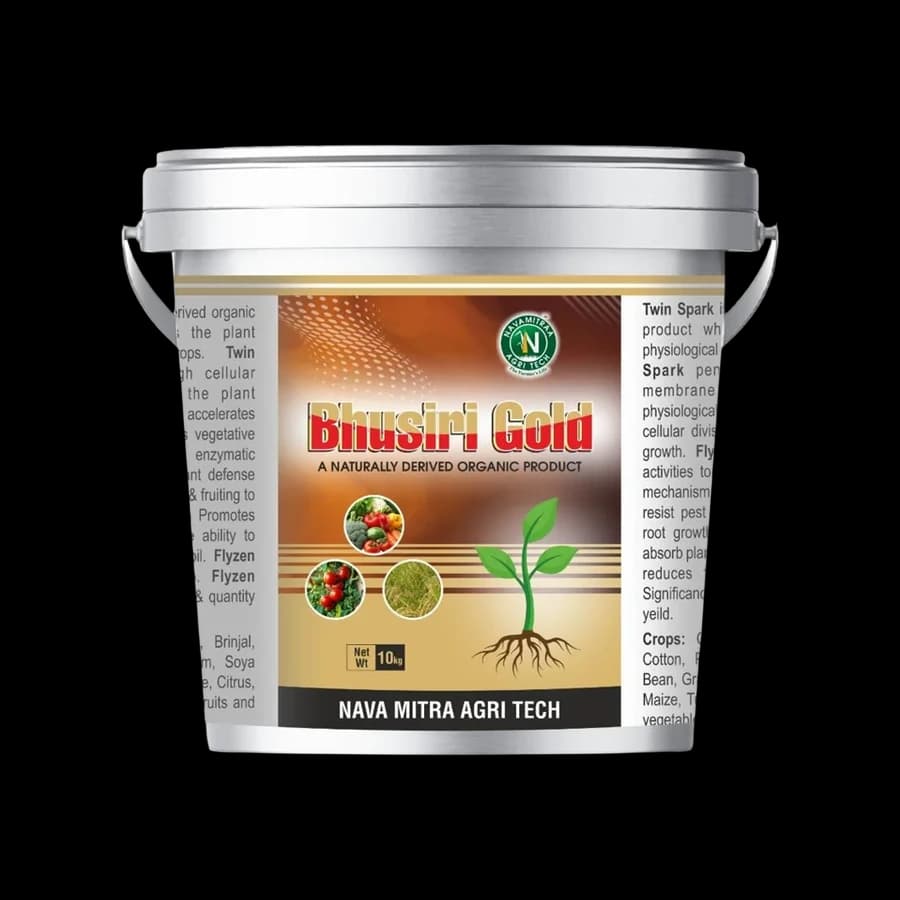
Product used in this guideఈ గైడ్లో ఉపయోగించిన ఉత్పత్తిइस गाइड में उपयोग किया गया उत्पाद
Bhusiri Gold
Bio Stimulants · Navamitraa Agri Tech, Hyderabad, Telangana
Key takeawaysముఖ్యాంశాలుमुख्य बातें
- Seaweed extracts contain natural compounds that support growth and stress tolerance.
- They are used on field crops, vegetables, fruit trees, flowers and plantation crops.
- Can be applied to soil or as a foliar spray, depending on the product.
- N-Carb label: soil 500 g per acre or foliar 3-5 g per litre.
- Use with, not instead of, balanced nutrition.
What is seaweed extract?
Seaweed extract is made by processing marine algae to release natural compounds such as polysaccharides, minerals and plant growth-regulating substances. It is used in small quantities to support plant growth and stress resistance.
Benefits of seaweed-based bio stimulants
Support for early flowering and stronger crops
N-Carb is described on its label as promoting early flowering, stronger crops and higher sugar content in fruit.
Resistance against nematodes and pests
The N-Carb label also mentions improved resistance to nematodes and pests. As with all such claims, response depends on field conditions and management.
Better stress tolerance
Seaweed products are widely used before and after stress periods such as transplanting, heat or irregular rainfall.
Crops that commonly receive seaweed products
- Field crops: paddy, cotton, chilli, groundnut, pulses and sugarcane.
- Fruit crops: banana, mango and citrus.
- Flowers: jasmine and roses.
- Vegetables: tomato and others.
How to apply seaweed extract
Dosage figures are quoted from product labels. Always check the pack in your hand.
Soil application
Mix the recommended quantity with sand or well-rotted organic matter and spread it evenly in moist soil. For N-Carb, the soil dose is 500 g per acre.
Foliar spray
Dissolve 3-5 g of N-Carb per litre of water and spray on both sides of the leaves, early morning or evening.
Tip for better coverage
Use a fine nozzle and enough water to wet the leaves evenly without runoff.
FAQs: Seaweed Extract for Crops
Does seaweed extract have any side effects on crops?
When used at the labelled dose it is generally well tolerated. Overdosing, spraying in strong sun or mixing with incompatible products can cause leaf scorch or reduced benefit. Always read the label, run a small test on a few plants first, and avoid mixing without a jar test.
Can I use seaweed extract on every crop?
Seaweed products are used on a wide range of crops, but the label should list the crops, dose and stage. N-Carb, for example, lists paddy, chilli, cotton, sugarcane, groundnut, pulses, banana, mango, citrus, jasmine, roses, tomato and other vegetables.
Is seaweed extract a fertiliser?
It is mainly a bio stimulant. It contains some minerals but is not a complete fertiliser, so continue to supply nitrogen, phosphorus, potash and micronutrients according to your soil test.
Key takeawaysముఖ్యాంశాలుमुख्य बातें
- Seaweed extracts contain natural compounds that support growth and stress tolerance.
- They are used on field crops, vegetables, fruit trees, flowers and plantation crops.
- Can be applied to soil or as a foliar spray, depending on the product.
- N-Carb label: soil 500 g per acre or foliar 3-5 g per litre.
- Use with, not instead of, balanced nutrition.
What is seaweed extract?
Seaweed extract is made by processing marine algae to release natural compounds such as polysaccharides, minerals and plant growth-regulating substances. It is used in small quantities to support plant growth and stress resistance.
Benefits of seaweed-based bio stimulants
Support for early flowering and stronger crops
N-Carb is described on its label as promoting early flowering, stronger crops and higher sugar content in fruit.
Resistance against nematodes and pests
The N-Carb label also mentions improved resistance to nematodes and pests. As with all such claims, response depends on field conditions and management.
Better stress tolerance
Seaweed products are widely used before and after stress periods such as transplanting, heat or irregular rainfall.
Crops that commonly receive seaweed products
- Field crops: paddy, cotton, chilli, groundnut, pulses and sugarcane.
- Fruit crops: banana, mango and citrus.
- Flowers: jasmine and roses.
- Vegetables: tomato and others.
How to apply seaweed extract
Dosage figures are quoted from product labels. Always check the pack in your hand.
Soil application
Mix the recommended quantity with sand or well-rotted organic matter and spread it evenly in moist soil. For N-Carb, the soil dose is 500 g per acre.
Foliar spray
Dissolve 3-5 g of N-Carb per litre of water and spray on both sides of the leaves, early morning or evening.
Tip for better coverage
Use a fine nozzle and enough water to wet the leaves evenly without runoff.
Frequently asked questionsతరచుగా అడిగే ప్రశ్నలుअक्सर पूछे जाने वाले प्रश्न
Does seaweed extract have any side effects on crops?
When used at the labelled dose it is generally well tolerated. Overdosing, spraying in strong sun or mixing with incompatible products can cause leaf scorch or reduced benefit. Always read the label, run a small test on a few plants first, and avoid mixing without a jar test.
Can I use seaweed extract on every crop?
Seaweed products are used on a wide range of crops, but the label should list the crops, dose and stage. N-Carb, for example, lists paddy, chilli, cotton, sugarcane, groundnut, pulses, banana, mango, citrus, jasmine, roses, tomato and other vegetables.
Is seaweed extract a fertiliser?
It is mainly a bio stimulant. It contains some minerals but is not a complete fertiliser, so continue to supply nitrogen, phosphorus, potash and micronutrients according to your soil test.
This article is for general education. Results depend on crop, soil, weather and management. Follow the product label and consult your local agriculture officer or KVK before changing your nutrient plan.ఈ వ్యాసం సాధారణ అవగాహన కోసం మాత్రమే. ఫలితాలు పంట, నేల, వాతావరణం, నిర్వహణపై ఆధారపడతాయి. పోషక ప్రణాళిక మార్చే ముందు ఉత్పత్తి లేబుల్ పాటించండి, స్థానిక వ్యవసాయ అధికారి లేదా KVKని సంప్రదించండి.यह लेख सामान्य जानकारी के लिए है। नतीजे फसल, मिट्टी, मौसम और प्रबंधन पर निर्भर करते हैं। पोषण योजना बदलने से पहले उत्पाद का लेबल देखें और अपने स्थानीय कृषि अधिकारी या KVK से सलाह लें।