Micronutrientsసూక్ష్మ పోషకాలుसूक्ष्म पोषक तत्व · 6 min readనిమిషాల పఠనంमिनट पढ़ें
Magnesium Deficiency in Crops: Identify Yellowing Leaves and Correct Chlorosis
Magnesium sits at the heart of chlorophyll. When it is short, leaves lose colour and the crop loses energy. Spot it early and correct it.
పంటల్లో మెగ్నీషియం లోపం: పసుపు ఆకులను గుర్తించి, క్లోరోసిస్ను సరిచేయండి
పత్రహరితం గుండెలో మెగ్నీషియం ఉంటుంది. అది తగ్గితే ఆకులు రంగు కోల్పోతాయి, పంట శక్తి తగ్గుతుంది. ముందే గుర్తించి సరిచేయండి.
फसलों में मैग्नीशियम की कमी: पीली पत्तियां पहचानें और क्लोरोसिस ठीक करें
क्लोरोफिल के केंद्र में मैग्नीशियम होता है. इसकी कमी से पत्तियां रंग खोती हैं और फसल की ऊर्जा घटती है. जल्दी पहचानें और ठीक करें.
Byరచన:लेखक: Navamitraa Agri Tech · Publishedప్రచురణप्रकाशित · Updatedనవీకరణअपडेट
ఈ వ్యాసం ప్రస్తుతం ఇంగ్లీష్లో మాత్రమే అందుబాటులో ఉంది.
यह लेख फिलहाल केवल अंग्रेज़ी में उपलब्ध है।
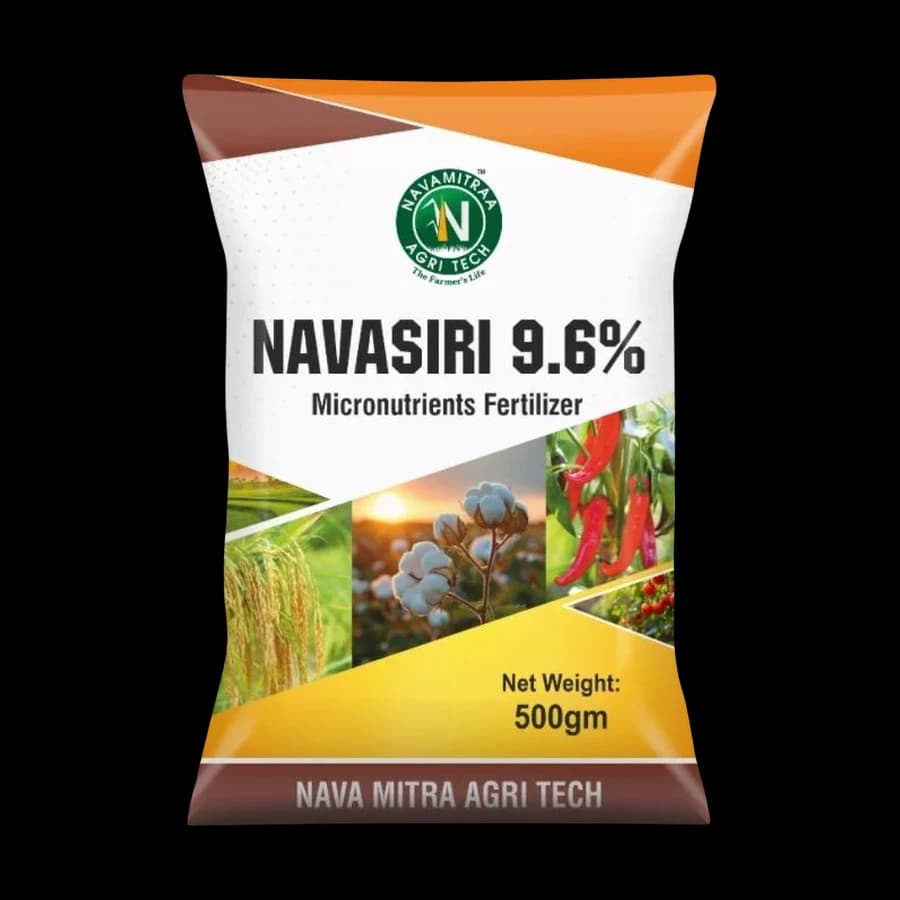
Product used in this guideఈ గైడ్లో ఉపయోగించిన ఉత్పత్తిइस गाइड में उपयोग किया गया उत्पाद
Navasiri Meg 9.6%
Micronutrients · Navamitraa Agri Tech, Hyderabad, Telangana
Key takeawaysముఖ్యాంశాలుमुख्य बातें
- Magnesium deficiency shows as yellowing between veins, first on older leaves.
- Common in acidic, sandy soils and in crops with heavy potassium use.
- Foliar magnesium gives quick correction; soil dose supports long-term supply.
- Navasiri Meg 9.6%: 2.5-5 g per litre of water as per label.
- Confirm with a soil or leaf test where possible.
Why magnesium matters
Magnesium is the central atom of the chlorophyll molecule, the pigment that captures sunlight. It also activates many enzymes involved in energy transfer and sugar movement from leaves to fruits.
Symptoms of magnesium deficiency
What you will see on the plant
- Yellowing between the veins while veins remain green (interveinal chlorosis).
- Symptoms start on older, lower leaves because magnesium moves within the plant.
- Leaf edges may turn red, bronze or purple in cotton.
- Early leaf drop and weak fruit filling in severe cases.
Magnesium vs nitrogen deficiency
Nitrogen deficiency yellows the whole older leaf evenly, while magnesium deficiency leaves the veins green.
Magnesium vs zinc or iron deficiency
Zinc and iron problems usually appear on young leaves first, whereas magnesium shows on older leaves.
What causes magnesium deficiency
- Light, sandy or acidic soils with low natural magnesium.
- Heavy potassium or ammonium fertiliser use, which competes with magnesium uptake.
- Heavy rain that leaches magnesium from the root zone.
- High fruit load that draws magnesium from leaves.
How to correct chlorosis
Navasiri Meg 9.6% is a magnesium source made to prevent and correct chlorosis. It is used at 2.5-5 g per litre of water on chilli, cotton, tomato, flowers, fruits, vegetables and other field and horticultural crops. Spray in the cool part of the day and repeat only as per the label.
- Test soil to see whether magnesium is truly low.
- Balance potassium and nitrogen doses.
- Spray magnesium at the first sign of yellowing between veins.
- Maintain organic matter in the soil.
FAQs: Magnesium Deficiency in Crops
How do I know if yellow leaves are due to magnesium shortage?
Look at the pattern. If the older, lower leaves turn yellow between green veins while newer leaves stay normal, magnesium is a strong suspect. If the whole leaf is pale, think nitrogen. If young leaves are affected, think zinc, iron or sulphur. A soil or leaf test gives the final answer.
Can I spray magnesium and zinc together?
Many farmers do combine them, but always check the labels and run a jar test first. If you see any flaking or cloudiness, spray the products separately on different days.
How soon will leaves turn green again after a magnesium spray?
Newly formed leaves usually look healthier within one to two weeks. Leaves that are already yellow may not fully recover, so the goal of the spray is to protect the new growth and the developing fruit.
Key takeawaysముఖ్యాంశాలుमुख्य बातें
- Magnesium deficiency shows as yellowing between veins, first on older leaves.
- Common in acidic, sandy soils and in crops with heavy potassium use.
- Foliar magnesium gives quick correction; soil dose supports long-term supply.
- Navasiri Meg 9.6%: 2.5-5 g per litre of water as per label.
- Confirm with a soil or leaf test where possible.
Why magnesium matters
Magnesium is the central atom of the chlorophyll molecule, the pigment that captures sunlight. It also activates many enzymes involved in energy transfer and sugar movement from leaves to fruits.
Symptoms of magnesium deficiency
What you will see on the plant
- Yellowing between the veins while veins remain green (interveinal chlorosis).
- Symptoms start on older, lower leaves because magnesium moves within the plant.
- Leaf edges may turn red, bronze or purple in cotton.
- Early leaf drop and weak fruit filling in severe cases.
Magnesium vs nitrogen deficiency
Nitrogen deficiency yellows the whole older leaf evenly, while magnesium deficiency leaves the veins green.
Magnesium vs zinc or iron deficiency
Zinc and iron problems usually appear on young leaves first, whereas magnesium shows on older leaves.
What causes magnesium deficiency
- Light, sandy or acidic soils with low natural magnesium.
- Heavy potassium or ammonium fertiliser use, which competes with magnesium uptake.
- Heavy rain that leaches magnesium from the root zone.
- High fruit load that draws magnesium from leaves.
How to correct chlorosis
Navasiri Meg 9.6% is a magnesium source made to prevent and correct chlorosis. It is used at 2.5-5 g per litre of water on chilli, cotton, tomato, flowers, fruits, vegetables and other field and horticultural crops. Spray in the cool part of the day and repeat only as per the label.
- Test soil to see whether magnesium is truly low.
- Balance potassium and nitrogen doses.
- Spray magnesium at the first sign of yellowing between veins.
- Maintain organic matter in the soil.
Frequently asked questionsతరచుగా అడిగే ప్రశ్నలుअक्सर पूछे जाने वाले प्रश्न
How do I know if yellow leaves are due to magnesium shortage?
Look at the pattern. If the older, lower leaves turn yellow between green veins while newer leaves stay normal, magnesium is a strong suspect. If the whole leaf is pale, think nitrogen. If young leaves are affected, think zinc, iron or sulphur. A soil or leaf test gives the final answer.
Can I spray magnesium and zinc together?
Many farmers do combine them, but always check the labels and run a jar test first. If you see any flaking or cloudiness, spray the products separately on different days.
How soon will leaves turn green again after a magnesium spray?
Newly formed leaves usually look healthier within one to two weeks. Leaves that are already yellow may not fully recover, so the goal of the spray is to protect the new growth and the developing fruit.
This article is for general education. Results depend on crop, soil, weather and management. Follow the product label and consult your local agriculture officer or KVK before changing your nutrient plan.ఈ వ్యాసం సాధారణ అవగాహన కోసం మాత్రమే. ఫలితాలు పంట, నేల, వాతావరణం, నిర్వహణపై ఆధారపడతాయి. పోషక ప్రణాళిక మార్చే ముందు ఉత్పత్తి లేబుల్ పాటించండి, స్థానిక వ్యవసాయ అధికారి లేదా KVKని సంప్రదించండి.यह लेख सामान्य जानकारी के लिए है। नतीजे फसल, मिट्टी, मौसम और प्रबंधन पर निर्भर करते हैं। पोषण योजना बदलने से पहले उत्पाद का लेबल देखें और अपने स्थानीय कृषि अधिकारी या KVK से सलाह लें।