Chilliమిర్చిमिर्च · 7 min readనిమిషాల పఠనంमिनट पढ़ें
Chilli Flower and Fruit Drop: Causes, Prevention and Nutrient Solutions
Plenty of flowers but very few fruits? Flower drop in chilli has several causes. Find which one applies to your field and how to manage it.
మిర్చిలో పూత, కాయ రాలడం: కారణాలు, నివారణ, పోషక పరిష్కారాలు
పూత చాలా ఉన్నా కాయలు తక్కువేనా? మిర్చిలో పూత రాలడానికి అనేక కారణాలు ఉంటాయి. మీ పొలానికి ఏది వర్తిస్తుందో, ఎలా నిర్వహించాలో తెలుసుకోండి.
मिर्च में फूल और फल झड़ना: कारण, रोकथाम और पोषण उपाय
फूल बहुत हैं पर फल बहुत कम? मिर्च में फूल झड़ने के कई कारण होते हैं. जानें आपके खेत में कौन सा कारण है और उसे कैसे संभालें.
Byరచన:लेखक: Navamitraa Agri Tech · Publishedప్రచురణप्रकाशित · Updatedనవీకరణअपडेट
ఈ వ్యాసం ప్రస్తుతం ఇంగ్లీష్లో మాత్రమే అందుబాటులో ఉంది.
यह लेख फिलहाल केवल अंग्रेज़ी में उपलब्ध है।
Key takeawaysముఖ్యాంశాలుमुख्य बातें
- Flower drop is usually a combination of weather stress, water stress, nutrient gaps and sucking pests.
- Boron, zinc and calcium play a direct role in pollen health and fruit set.
- Too much nitrogen gives leafy growth but poor flowering.
- A balanced micronutrient spray at flowering supports fruit retention.
- Scout for thrips and mites, because they cause drop that looks like a nutrient problem.
Why chilli plants drop flowers and young fruits
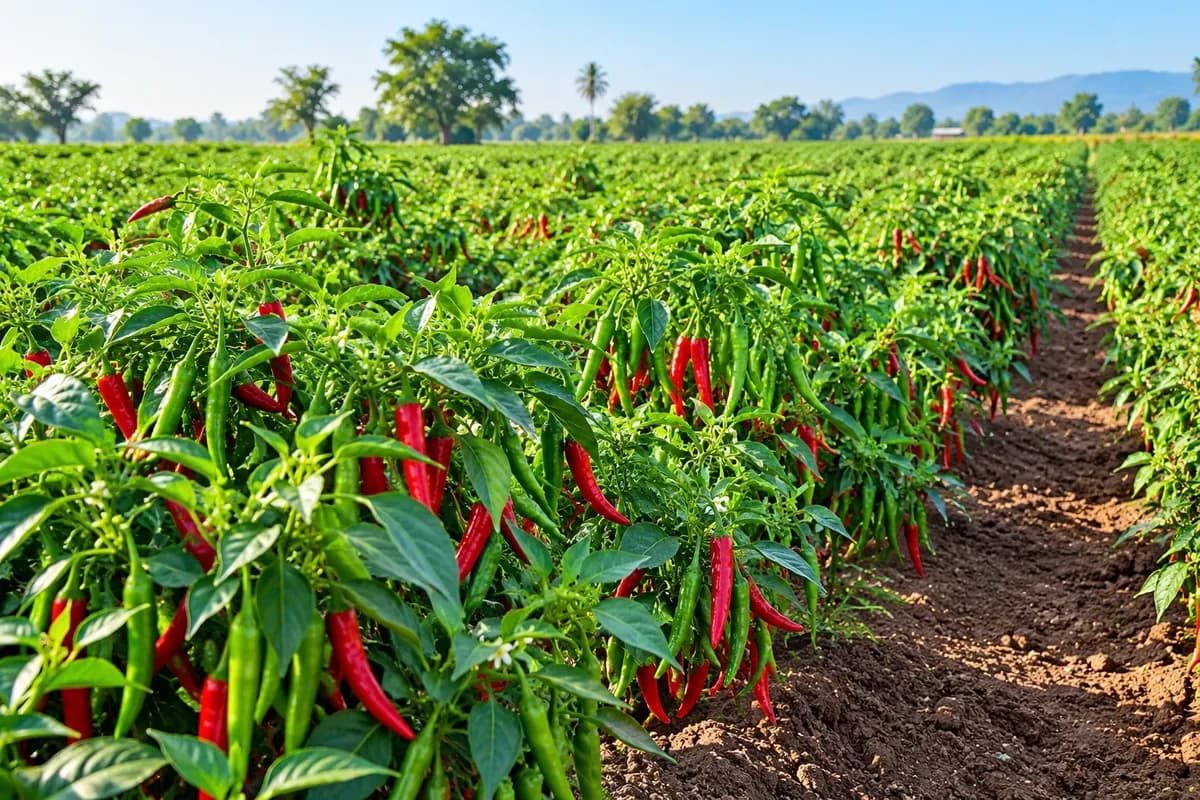
Chilli is sensitive to stress during flowering. When the plant faces heat, dry spells, nutrient shortage or pest damage, it sheds flowers and small fruits to save energy. A farmer sees healthy green plants with a lot of flowers, yet a poor harvest.
- High day temperature and hot dry winds during flowering.
- Irregular irrigation, with long dry gaps followed by heavy watering.
- Deficiency of boron, zinc, calcium or magnesium.
- Excess nitrogen that pushes leaf growth instead of flowers.
- Thrips, mites and other sucking pests damaging buds and flowers.
Nutrients that matter most for fruit set
Boron: pollen and fruit set
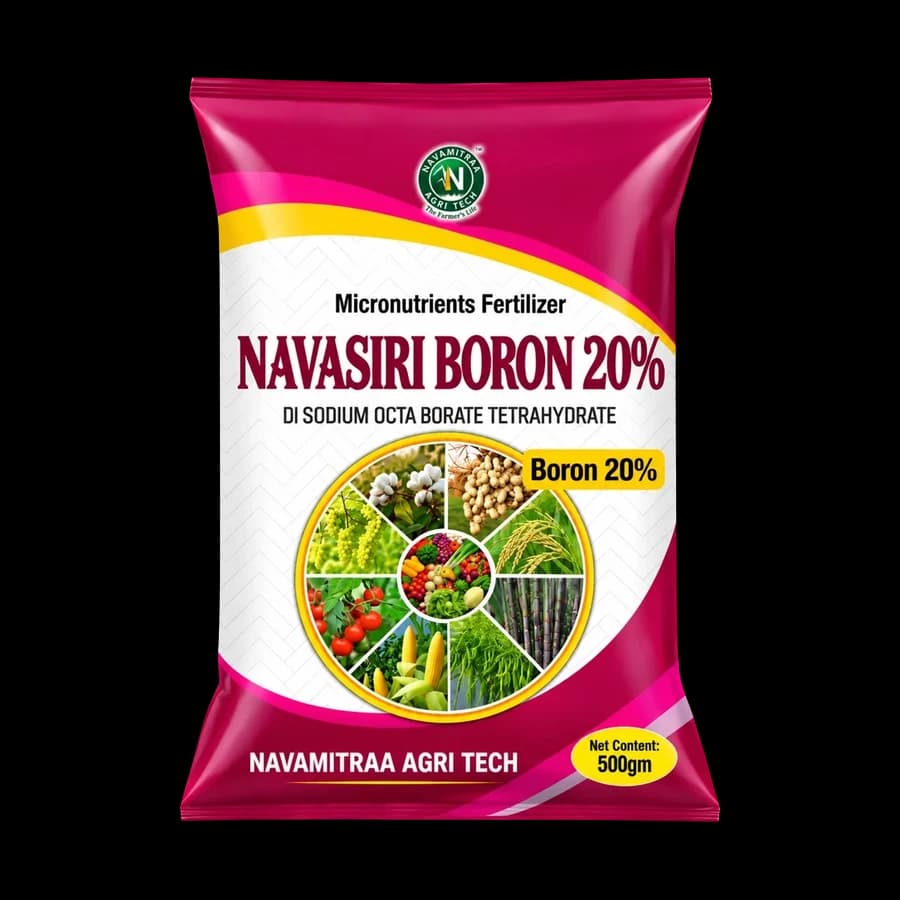
Boron helps pollen germination and tube growth. When boron is short, flowers may open but fail to set fruit. Navasiri Boron 20% is used at 1.0-1.5 g per litre of water, as a spray around 30 days after transplanting and again after 20-30 days, with a sticker-spreader.
Zinc and trace elements: flower and fruit retention
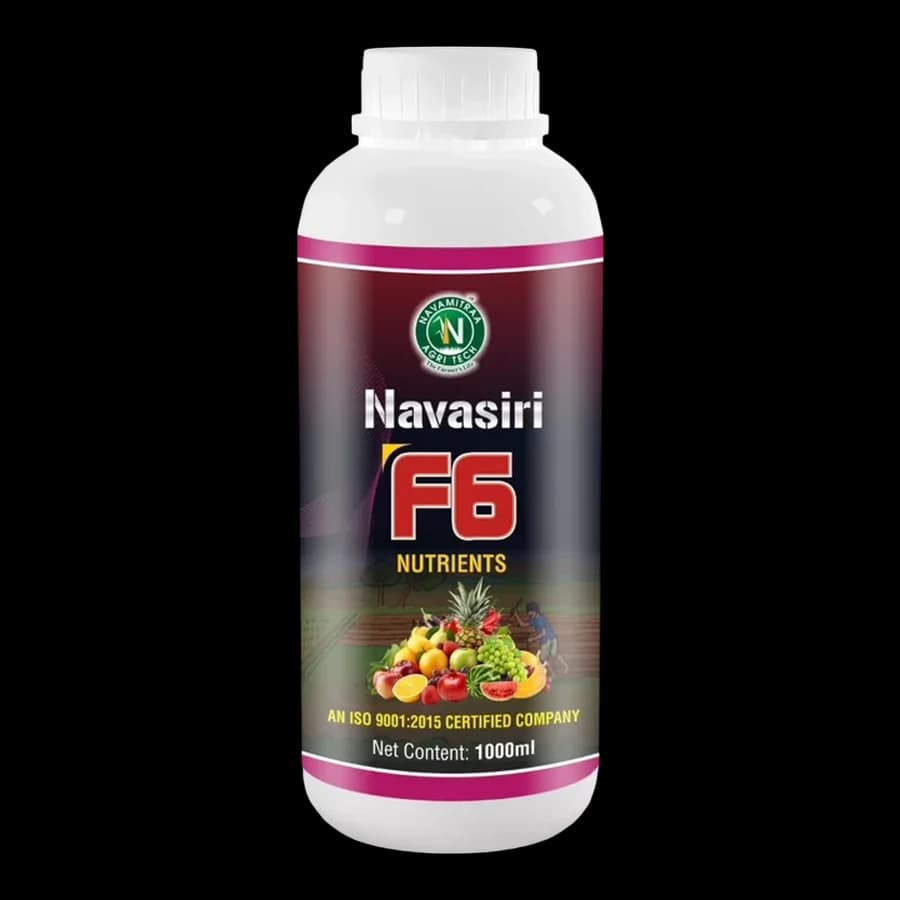
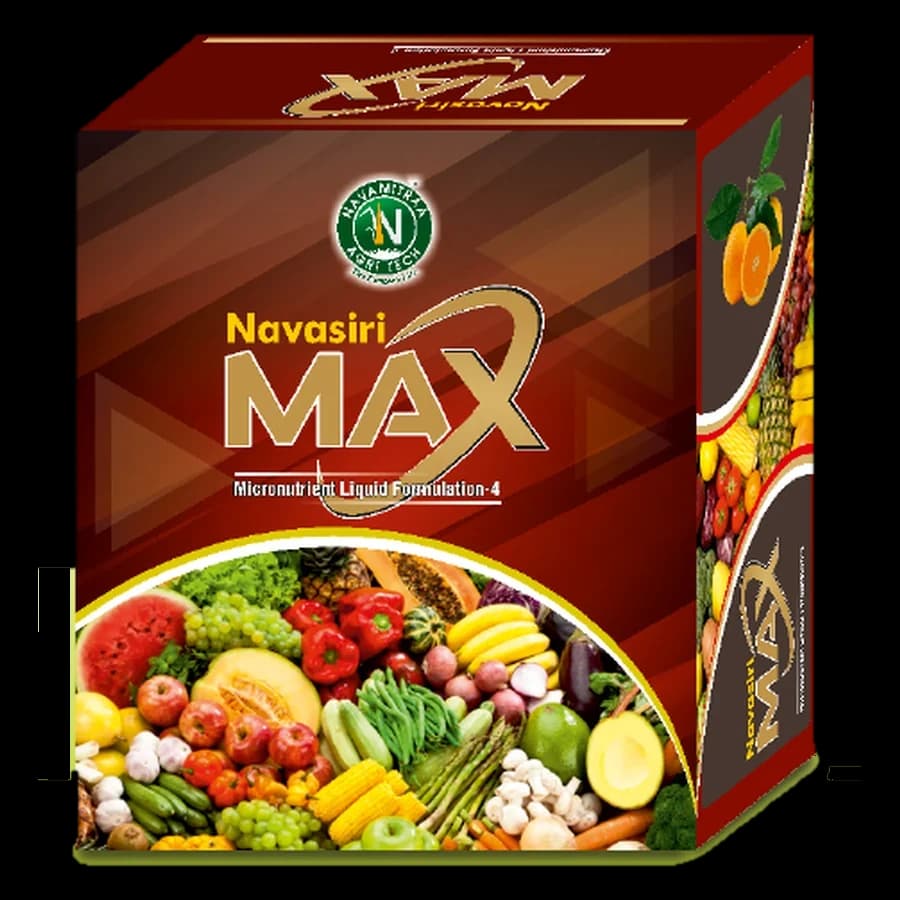
Zinc supports hormone balance and enzyme activity. Navasiri F6 and Navasiri Max are micronutrient mixtures made for cash crops such as chilli and cotton. As per the label they help reduce flower and fruit drop and correct trace-element deficiency, at about 2.5 ml per litre (F6) and 2.5-3.5 ml per litre (Max).
Magnesium for green, healthy leaves
A magnesium source such as Navasiri Meg 9.6% (2.5-5 g per litre) helps correct yellowing between leaf veins, which keeps photosynthesis strong during fruiting.
A simple flowering-stage routine for chilli
- Keep irrigation regular and avoid long moisture gaps during flowering.
- Do not over-apply nitrogen once flowering has started.
- Spray a micronutrient mixture at the start of flowering and repeat as per label.
- Add boron when flowers are abundant but fruit set is poor.
- Scout twice a week for thrips and mites and act early.
Rule out pests before blaming nutrition
Thrips and mites feed on tender buds and leaves, and the result is curling, silvering and flower loss that can look like a nutrient problem. Check the underside of young leaves with a hand lens. Navasiri-range products and bio products such as Exodon (support against thrips and mites) are available, but any pest management plan should follow label instructions and local recommendations.
FAQs: Chilli Flower and Fruit Drop
Why is my chilli plant flowering heavily but not setting fruit?
The most common reasons are heat or water stress at flowering, low boron and zinc, and damage by thrips or mites. Check weather and irrigation first, then look at the plant for pests. If leaves are healthy and there is no pest, a balanced micronutrient and boron spray often improves fruit retention.
When should I spray boron on chilli?
The label for Navasiri Boron 20% suggests spraying about 30 days after germination or transplanting, then again after 20 to 30 days, using 1.0 to 1.5 g per litre with a sticker-spreader. Avoid spraying in hot midday sun and do not exceed the labelled dose.
Can I mix micronutrients with pesticides in one tank?
Some mixes work and some cause crusting, precipitation or leaf burn. Always do a small jar test first, add products one at a time, and never mix strongly alkaline products with others. If in doubt, spray separately with a gap of a day.
Does too much nitrogen reduce chilli fruit set?
Yes. Excess nitrogen makes plants lush and leafy with soft tissue that pests like, while flowering and fruit set suffer. Split the nitrogen into smaller doses and balance it with potash and micronutrients at flowering.
Key takeawaysముఖ్యాంశాలుमुख्य बातें
- Flower drop is usually a combination of weather stress, water stress, nutrient gaps and sucking pests.
- Boron, zinc and calcium play a direct role in pollen health and fruit set.
- Too much nitrogen gives leafy growth but poor flowering.
- A balanced micronutrient spray at flowering supports fruit retention.
- Scout for thrips and mites, because they cause drop that looks like a nutrient problem.
Why chilli plants drop flowers and young fruits
Chilli is sensitive to stress during flowering. When the plant faces heat, dry spells, nutrient shortage or pest damage, it sheds flowers and small fruits to save energy. A farmer sees healthy green plants with a lot of flowers, yet a poor harvest.
- High day temperature and hot dry winds during flowering.
- Irregular irrigation, with long dry gaps followed by heavy watering.
- Deficiency of boron, zinc, calcium or magnesium.
- Excess nitrogen that pushes leaf growth instead of flowers.
- Thrips, mites and other sucking pests damaging buds and flowers.
Nutrients that matter most for fruit set
Boron: pollen and fruit set
Boron helps pollen germination and tube growth. When boron is short, flowers may open but fail to set fruit. Navasiri Boron 20% is used at 1.0-1.5 g per litre of water, as a spray around 30 days after transplanting and again after 20-30 days, with a sticker-spreader.
Zinc and trace elements: flower and fruit retention
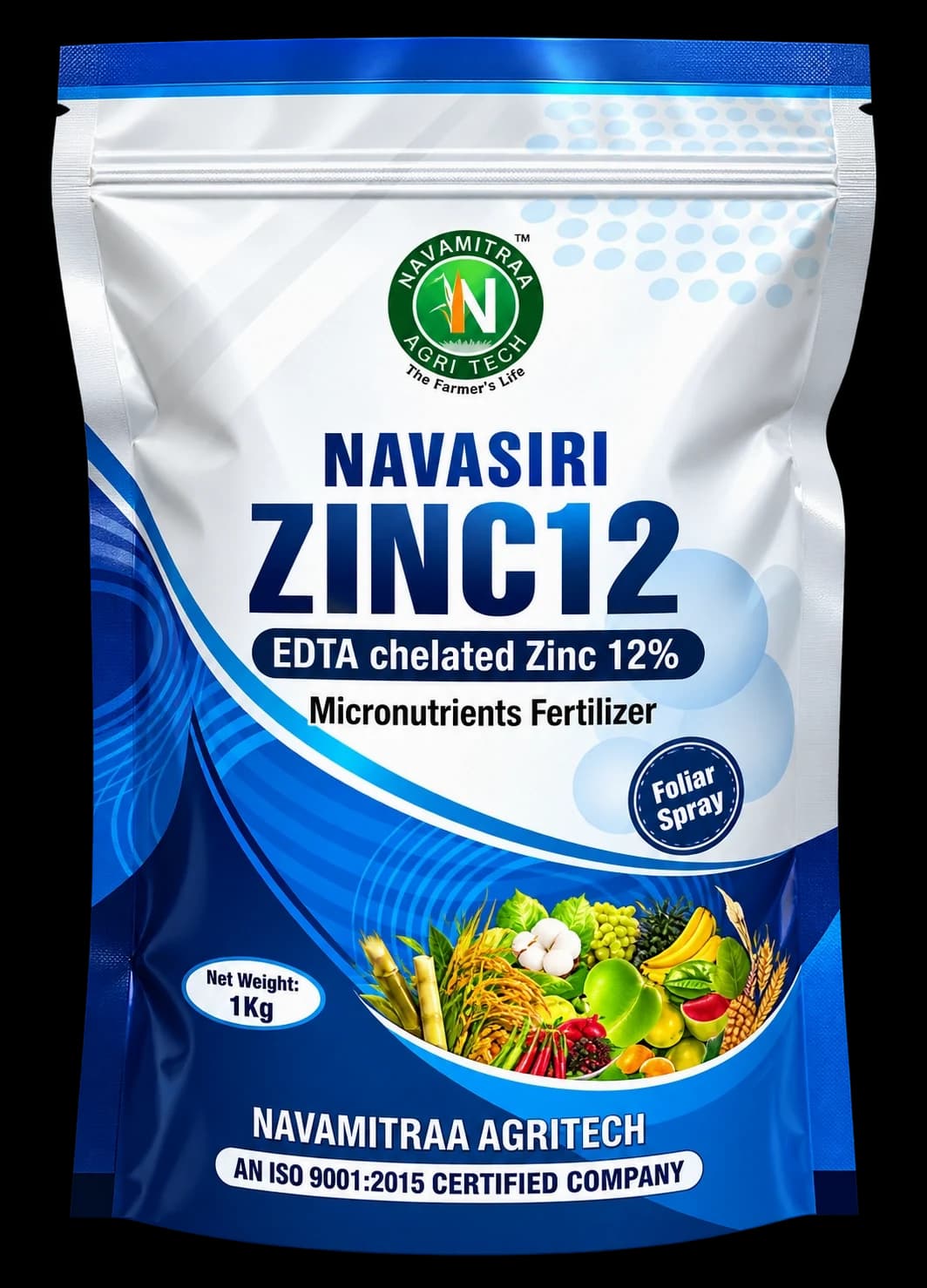
Zinc supports hormone balance and enzyme activity. Navasiri F6 and Navasiri Max are micronutrient mixtures made for cash crops such as chilli and cotton. As per the label they help reduce flower and fruit drop and correct trace-element deficiency, at about 2.5 ml per litre (F6) and 2.5-3.5 ml per litre (Max).
Magnesium for green, healthy leaves
A magnesium source such as Navasiri Meg 9.6% (2.5-5 g per litre) helps correct yellowing between leaf veins, which keeps photosynthesis strong during fruiting.
A simple flowering-stage routine for chilli
- Keep irrigation regular and avoid long moisture gaps during flowering.
- Do not over-apply nitrogen once flowering has started.
- Spray a micronutrient mixture at the start of flowering and repeat as per label.
- Add boron when flowers are abundant but fruit set is poor.
- Scout twice a week for thrips and mites and act early.
Rule out pests before blaming nutrition
Thrips and mites feed on tender buds and leaves, and the result is curling, silvering and flower loss that can look like a nutrient problem. Check the underside of young leaves with a hand lens. Navasiri-range products and bio products such as Exodon (support against thrips and mites) are available, but any pest management plan should follow label instructions and local recommendations.
Frequently asked questionsతరచుగా అడిగే ప్రశ్నలుअक्सर पूछे जाने वाले प्रश्न
Why is my chilli plant flowering heavily but not setting fruit?
The most common reasons are heat or water stress at flowering, low boron and zinc, and damage by thrips or mites. Check weather and irrigation first, then look at the plant for pests. If leaves are healthy and there is no pest, a balanced micronutrient and boron spray often improves fruit retention.
When should I spray boron on chilli?
The label for Navasiri Boron 20% suggests spraying about 30 days after germination or transplanting, then again after 20 to 30 days, using 1.0 to 1.5 g per litre with a sticker-spreader. Avoid spraying in hot midday sun and do not exceed the labelled dose.
Can I mix micronutrients with pesticides in one tank?
Some mixes work and some cause crusting, precipitation or leaf burn. Always do a small jar test first, add products one at a time, and never mix strongly alkaline products with others. If in doubt, spray separately with a gap of a day.
Does too much nitrogen reduce chilli fruit set?
Yes. Excess nitrogen makes plants lush and leafy with soft tissue that pests like, while flowering and fruit set suffer. Split the nitrogen into smaller doses and balance it with potash and micronutrients at flowering.
This article is for general education. Results depend on crop, soil, weather and management. Follow the product label and consult your local agriculture officer or KVK before changing your nutrient plan.ఈ వ్యాసం సాధారణ అవగాహన కోసం మాత్రమే. ఫలితాలు పంట, నేల, వాతావరణం, నిర్వహణపై ఆధారపడతాయి. పోషక ప్రణాళిక మార్చే ముందు ఉత్పత్తి లేబుల్ పాటించండి, స్థానిక వ్యవసాయ అధికారి లేదా KVKని సంప్రదించండి.यह लेख सामान्य जानकारी के लिए है। नतीजे फसल, मिट्टी, मौसम और प्रबंधन पर निर्भर करते हैं। पोषण योजना बदलने से पहले उत्पाद का लेबल देखें और अपने स्थानीय कृषि अधिकारी या KVK से सलाह लें।